- Home
-
Shop By Brand
Shop By Top Brands
View All Brands -
Interior
Interior
Browse All Interior Featured Category
Interior
-
Exterior
Exterior
Browse All Exterior Featured Category
Exterior
-
Paint Care
 Featured Category
Paint Care
- Detailing & Accessorie
- Pages





Ceramic Coating for Cars and Professional Paint Protection
A properly prepared vehicle can benefit
from a ceramic coating that enhances gloss, creates water-repellent behaviour
and makes routine cleaning easier. Mafra India’s Ceramic Coating category
brings together professional car ceramic coating products, application
accessories and compatible maintenance solutions for detailing studios, trained
technicians and experienced enthusiasts.
A ceramic coating is not a substitute for
paint correction and does not make automotive paint scratch-proof. The final
result depends on surface preparation, application technique, curing conditions
and aftercare. Compare the product instructions, coverage, intended surfaces
and maintenance requirements before choosing a coating system.
What Does Car Ceramic Coating Do?
Automotive ceramic coating is applied to a
clean, prepared surface to form a transparent protective layer. Many modern
formulas use silica-based or nano-ceramic chemistry to improve surface
slickness, gloss and hydrophobic behaviour. Water can bead or sheet more
readily, and dirt may be easier to remove during maintenance washes.
Ceramic paint protection cannot repair
existing swirl marks, deep scratches, oxidation or stone chips. These defects
remain visible unless the paint is corrected before coating. A coating also
requires safe washing and regular inspection; harsh chemicals, poor wash
technique and environmental exposure can reduce performance.
Prepare the Paint Before Applying a Ceramic Coating
Preparation is the most important stage of
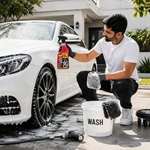
a coating process. Start with a suitable car wash shampoo and remove
loose contamination without creating unnecessary wash marks. Use an iron remover for bonded
ferrous fallout and a mineral remover when
hard-water deposits are present.
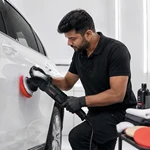
If the paint has swirls, oxidation or haze,
complete the required correction with a suitable rubbing
compound and finishing polish. Remove polishing oils with a
compatible IPA or
panel-preparation cleaner before applying the coating. Work only
when the surface is cool, dry and free from residue.
1. Wash and dry the vehicle thoroughly using paint-safe tools.
2. Remove iron fallout, mineral deposits, tar or bonded contamination
as required.
3. Inspect the paint under suitable lighting and correct defects before
coating.
4. Remove polishing oils and residue with the approved
panel-preparation method.
5. Prepare clean applicators and coating-removal microfiber towels
before opening the product.
6. Apply in a clean, controlled environment and follow the stated
working time, layer pattern and cure period.
7. Inspect every section for high spots or uneven residue before the
product hardens.
8. Protect the vehicle from water, dust and washing for the stated
initial cure period.
Compare Ceramic Armour and Maniac 5 Year Coating
The Mafra Ceramic Armour product
page is a high-visibility route for users seeking professional ceramic paint
protection. Review the current pack size, application guide, compatible
surfaces, coverage and curing requirements before purchase.
The Maniac 5 Year
Coating is positioned as a longer-term professional option. “5
Year” is part of the product name; actual service life depends on correct
preparation, application, curing, environment and maintenance. Do not present
the name as an unconditional guarantee.
Choose between coating systems according to
the paint condition, installer experience, vehicle usage, expected maintenance
and the official technical instructions. A professional coating may require a
controlled workspace and more precise levelling than a spray sealant or wax.
Ceramic Coating, Ceramic Sealant or Ceramic Wax?
These products are related but not
interchangeable. A professional ceramic coating is intended to bond to a
properly prepared surface and generally requires careful application and
curing. A ceramic sealant is usually easier to apply and can be used for
shorter-term protection or compatible maintenance. Ceramic wax and SiO2 shampoo
products are commonly used to support gloss and water behaviour during regular
care.
For easier maintenance or a spray-applied
protection option, review the Maniac Line
Ceramic Sealant MF110. For wash-stage maintenance, compare the Maniac Ceramic
Shampoo and the Ceramic Ultra
Speed Wax. Confirm that any topper or shampoo is compatible with
the applied coating system.
Ceramic Coating Applicators and Microfiber Towels
Controlled application requires clean,
task-specific tools. Use a ceramic coating
applicator or ceramic
applicator block that suits the product and panel shape. Spread
the coating evenly according to the manufacturer’s pattern rather than
oversaturating the applicator.
Keep several clean microfiber towels and detailing cloths
ready for initial levelling, final buffing and inspection. Do not reuse a towel
or applicator after coating residue has hardened. Keep coating tools separate
from wheel, glass and interior towels.
Understanding Ceramic Coating Prices
Ceramic Coating Prices vary because
products differ in chemistry, pack size, coverage, stated durability,
application complexity and included accessories. A professional service also
includes washing, decontamination, paint correction, panel preparation,
controlled application and curing time. The coating bottle is only one part of
the total cost.
Use the current category and product pages
for live pricing rather than publishing fixed prices in evergreen category
copy. For informational search intent, link to the Ceramic Coating
Prices guide and keep that article updated with accurate product
positioning, application requirements and price-check dates.
How to Maintain a Ceramic-Coated Car
·
Follow the coating’s initial
cure instructions before exposure to water, rain or washing.
·
Use a coating-compatible
shampoo and a clean wash mitt for routine maintenance.
·
Remove bird residue, insect
contamination and water spots promptly using compatible products.
·
Avoid aggressive degreasers,
abrasive cleaners or automatic brush washes unless the coating manufacturer
permits them.
·
Dry with a clean microfiber
towel or safe air-drying method to reduce water spotting.
·
Use compatible ceramic
sealants, waxes or maintenance sprays only when recommended.
·
Inspect water behaviour and
surface contamination periodically rather than assuming the coating needs
immediate reapplication.
How to Choose the Right Ceramic Coating for Your Car
·
Paint condition: correct
defects before coating because the coating will preserve, not hide, the visible
finish.
·
Installer experience: choose a
product whose working time and levelling method match the user’s skill and
workspace.
·
Durability requirement: compare
the official stated performance and maintenance schedule rather than relying
only on a product name.
·
Vehicle usage: daily drivers,
garaged cars, commercial vehicles and show cars may need different protection
and maintenance plans.
·
Coverage and budget: compare
pack size, required layers, applicator needs and preparation costs when
evaluating ceramic coating prices.
·
Surface compatibility: verify
whether the product is approved for paint, wheels, trim or glass; do not assume
one coating suits every material.
Why Shop Ceramic Coating Products at Mafra India?
·
Professional and maintenance
options: compare paint coatings, ceramic sealants, ceramic shampoo and ceramic
wax products.
·
Connected preparation
categories: access shampoos, iron removers, mineral removers, compounds, polish
and IPA preparation products.
·
Application accessories:
coating applicators and microfiber towels for controlled spreading and
levelling.
·
Options for enthusiasts and
detailing studios: choose according to experience, vehicle condition and
required protection.
·
Product-level information:
review current stock, price, technical documents, coverage and usage instructions
before purchase.
Frequently Asked Questions
What
is ceramic coating for cars?
Ceramic coating is a liquid protection
product applied to a clean, prepared vehicle surface. After application and
curing, it can improve gloss, water behaviour and ease of maintenance.
Performance varies by product and application conditions.
Does
ceramic coating prevent scratches?
No. Ceramic coating does not make paint
scratch-proof and cannot prevent stone chips or deep physical damage. Safe
washing and careful maintenance are still required.
How
long does car ceramic coating last?
Durability depends on the selected product,
paint preparation, application, curing, climate, vehicle use and maintenance.
Use only the lifespan stated in current manufacturer documentation and present
it with the relevant conditions.
Should
I polish the car before ceramic coating?
Polishing is recommended when the paint has
swirl marks, haze, oxidation or other correctable defects. The coating will not
remove these defects, so correction should be completed before final panel
preparation.
Can
ceramic coating be applied at home?
Some products may be suitable for
experienced enthusiasts, while professional systems can require controlled
temperature, lighting, levelling and curing. Follow the product instructions
and seek professional application when the process exceeds your experience.
What
is the difference between ceramic coating and ceramic sealant?
A coating is generally designed to bond to
a prepared surface and cure into a longer-term layer. A ceramic sealant is
usually easier to apply and may provide shorter-term protection or compatible
maintenance. Exact performance depends on the individual product.
How
much does ceramic coating cost?
The total cost depends on the product,
coverage, vehicle size, number of layers, surface preparation, paint correction
and professional labour. Check current product prices and request a detailed
service quotation when professional application is required.
Which
ceramic coating applicator should I use?
Use the applicator type recommended for the
coating and panel shape. It should be clean, chemical-compatible and capable of
spreading a thin, even layer without releasing lint.
How
should I wash a ceramic-coated car?
Wait for the stated cure period, then use a
compatible car wash shampoo, clean wash tools and careful drying. Avoid harsh
cleaners or abrasive washing methods unless the coating manufacturer
specifically permits them.
Professional Car Care Products and Detailing Solutions