- Home
-
Shop By Brand
Shop By Top Brands
View All Brands -
Interior
Interior
Browse All Interior Featured Category
Interior
-
Exterior
Exterior
Browse All Exterior Featured Category
Exterior
-
Paint Care
 Featured Category
Paint Care
- Detailing & Accessorie
- Pages




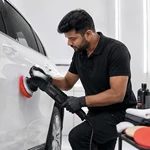

Car Detailing Brushes - Which Brush Should You Use for Each Car Surface?
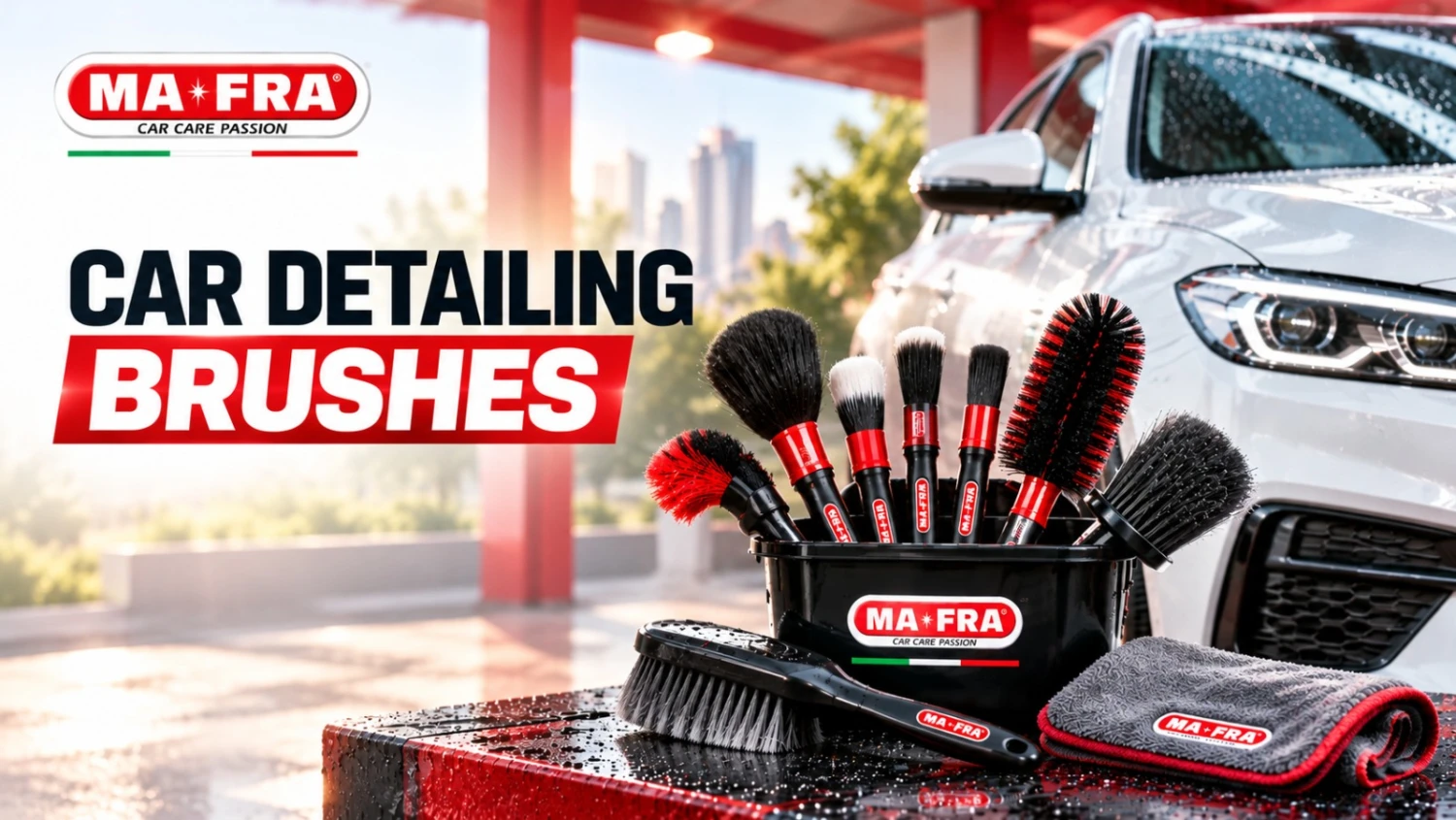
Walk into any detailing studio and you
will see a row of brushes on the wall. Some are soft and fluffy. Some look like
they belong in a kitchen. New detailers often ask the same thing: do I really
need so many?
The short answer is yes, but not for the
reason you think. Car detailing brushes are not all the same tool in different
colours. Each one is built for a type of surface. The wrong brush can leave
scratches on trim, swirl a glossy dashboard or fail to clean a dirty tyre.
This guide shows which brush to use on
each part of your car, and why.
Why the Right Brush Matters
A brush reaches places a cloth cannot.
Air vents, seat seams, badges, wheel spokes and button gaps all hold dust and
grime. A cloth just rubs over the top.
But a brush is also the easiest tool to
misuse. Too stiff, and it scratches. Too soft, and it does nothing on a dirty
tyre. So the goal is simple. Match the stiffness of the brush to how delicate
the surface is.
Know Your Bristle Types First
Before looking at surfaces, here is what
the bristles are made of.
●
Natural boar hair: Very soft and gentle. It holds soapy water well, which helps it glide.
Good for delicate trim, badges and piano black panels. It can wear faster with
harsh chemicals.
●
Soft synthetic bristles: Soft, but stronger against cleaning products. These work well for
general interior jobs and many exterior tasks. A soft bristle car cleaning
brush is the safest start for most people.
●
Medium synthetic or nylon
bristles: Firmer. Suitable for fabric seats, floor
mats and carpets.
●
Stiff bristles: Hard-wearing. Meant for tyre sidewalls, rubber mats and heavy dirt.
Never for paint, glass or soft trim.
Handles matter too. Plastic or rubber
handles are better than bare metal, which can scratch if the brush slips.
Which Brush for Which Surface?
Here is the main part. Let’s go through
the car, one area at a time.
1. Air Vents and Button Gaps
These tiny gaps trap dust. Use a small,
soft brush with a fine tip. An interior detailing brush with a slim head can
get between vent slats without bending them.
For the narrowest gaps, small foam or
cotton swabs also help. The Mafra site has a pack of detailing
swabs that suits this kind of fine work.
Tip: Brush
the dust out first, then wipe the area with a cloth.
2. Dashboard and Touchscreen Surrounds
The dash needs the softest brush you own.
Many dashboards have glossy or soft-touch plastic that marks easily. Natural
boar hair or very soft synthetic bristles work best.
Use light strokes. Do not press hard. If
the area is dusty, brush the dust off first before you spray any cleaner. A
brush loaded with grit can leave fine marks on shiny trim. For a full routine,
see this guide on how to use dashboard cleaners.
3. Leather Seats
Leather has a grain, and dirt settles
into it. A soft brush with a leather cleaner lifts that dirt out without
scratching the surface.
Use gentle circles. Then wipe off the
foam with a clean microfiber cloth. Never scrub hard or use a stiff brush on
leather. It can damage the finish.
4. Fabric Seats and Carpets
Here you can use a firmer brush. A medium
bristle brush helps loosen dried dirt, pet hair and stains from fabric.
Work in small sections. Brush in one
direction first, then in the opposite direction to lift the fibres. Vacuum
afterwards.
5. Floor Mats
Rubber mats can take a stiff brush.
Rubber mats collect mud, sand and grime in their grooves, and a hard brush gets
them clean fast. Fabric mats need a medium brush.
6. Door Jambs, Seat Rails and Tight Seams
These areas collect old grease and dirt.
A narrow, medium-stiff brush works well here. It reaches into seams and under
seat rails.
7. Badges, Emblems and Grille
Lettering and logos have sharp edges
where wax and dirt gather. Use a small, soft brush. A long, thin shape gives
you control around raised letters. Soft bristles protect the paint around the
badge.
8. Wheels and Alloy Rims
Wheels get the worst dirt: brake dust,
road tar and grime. Use a dedicated wheel brush. A longer one helps you reach
the inner barrel. A smaller one handles the spokes and around the lug nuts.
Choose soft to medium bristles. Stiff
brushes can scratch alloy finishes, especially painted or polished ones.
9. Tyres
Tyre sidewalls need a stiff brush to
remove old dressing and dirt. The rubber is tough, so a firm brush works well.
A dedicated tyre cleaning brush is made for this heavy
job.
Important:
Keep the tyre brush for tyres only. Never use it on paint, interior or even
wheel faces.
10. Exterior Paint
Here is a rule that surprises people: do
not use detailing brushes to wash painted panels. Paint should be washed with a
wash mitt or soft towel. A brush can drag grit across the surface and cause
swirl marks.
Brushes are fine for paint edges and
tight areas like panel gaps, but use a very soft one, and rinse it well first.
11. Glass
Glass does not need a brush. A cloth or
glass towel does the job. Use a soft brush only on the black dotted edge or the
rubber seals, then wipe the glass clean.
Quick Reference Table
|
Surface |
Brush
type |
Bristle
feel |
|
Air vents |
Slim detail brush |
Very soft |
|
Dashboard |
Soft boar hair or soft synthetic |
Very soft |
|
Leather seats |
Soft brush |
Soft |
|
Fabric seats and carpet |
Medium brush |
Medium |
|
Rubber floor mats |
Scrub brush |
Stiff |
|
Door jambs and seams |
Narrow brush |
Medium |
|
Badges and grille |
Small detail brush |
Soft |
|
Alloy wheels |
Wheel brush |
Soft to medium |
|
Tyre sidewalls |
Tyre brush |
Stiff |
|
Paint edges only |
Soft detail brush |
Very soft |
Car
Detailing Brush Set: Is It Worth Buying?
For most people, yes. A car detailing
brush set gives you several sizes and stiffness levels in one pack. It is
cheaper than buying single brushes, and it covers the interior and exterior.
When choosing a set, check these points:
●
Mix of sizes. You want at least one slim brush, one medium and one larger brush.
●
Bristle quality. Bristles should feel soft and should not shed when you pull on them.
●
Handle material. Plastic or rubber, without exposed metal.
●
Chemical resistance. Some bristles break down with strong cleaners.
●
Easy to rinse. Bristles should hold their shape after washing.
A set is a good starting point. Over
time, you can add specialist tools from a detailing
tools range. For more ideas on what to add, read this guide on essential car care accessories.
What Makes Professional Car Detailing
Brushes Different?
Detailers who work on cars every day look
for tools that last. Professional car detailing brushes usually have denser
bristles, better handles and stitching or bonding that survives repeated
washing and chemicals.
They also keep separate brushes for
separate jobs. A wheel brush never touches the dashboard. A tyre brush never
touches a seat. This avoids cross-contamination, where brake dust or grease
ends up on a clean surface.
Home users do not need a huge kit, but
the same habit is smart. Even a small set of car cleaning brushes works better
if you mark each brush for one zone.
How to Look After Your Brushes
Good brushes can last a long time if you
treat them well.
- Rinse after every use. Flush out the cleaner and dirt.
- Wash with
mild shampoo now and then. This removes oil and product build-up.
- Dry with the
bristles down or sideways. Water can sit in the base and weaken the glue.
- Store them
clean and apart. Do not mix wheel brushes with interior ones.
- Replace worn brushes. Bent, splayed or shedding bristles clean
badly and can scratch.
A useful trick: wrap masking tape around the metal part (ferrule) of a brush. It
protects trim and paint if the brush bumps into them.
Common Mistakes to Avoid
●
Using a stiff brush on trim,
leather or glossy plastic
●
Brushing a dusty surface with a
wet, gritty brush
●
Using one brush on wheels and then
the interior
●
Pressing too hard
●
Using the same brush for years
without checking it
●
Using a brush to wash paint
Final Thoughts
The best brush is the one that suits the
surface. Soft for delicate areas, medium for fabric and seams, stiff for tyres
and rubber. If you remember that one rule, you will avoid most damage.
Start with a small, good-quality set of
car detailing brushes. Keep them clean, keep them separate, and replace them
when the bristles tire. A few well-chosen tools will make your cleaning faster
and safer for the car.
Shop Detailing Tools and Car Care
Products
Looking for reliable car care and
detailing products? Explore Mafra India for tools, cleaners and accessories.
Call +91 82-52-300-400 or write to info@mafraindia.com for help choosing the
right products.
FAQs
Which brush is best for car interior
cleaning?
A soft interior
detailing brush works for vents, dash and trim. Use a medium brush for fabric
and carpets.
Can I use a stiff brush on my alloy
wheels?
It is better to
use soft or medium bristles. Stiff ones can scratch the finish.
Do I need separate brushes for wheels
and interior?
Yes. Brake dust
and grease can transfer to clean surfaces if you share tools.
How often should I replace my brushes?
Replace them
when the bristles bend, shed or lose shape. This depends on how often you use
them.
Is a soft bristle car cleaning brush
safe for paint?
It is safe for edges
and tight gaps when clean. For washing panels, use a wash mitt instead.
Recent Posts

Professional Car Care Products and Detailing Solutions